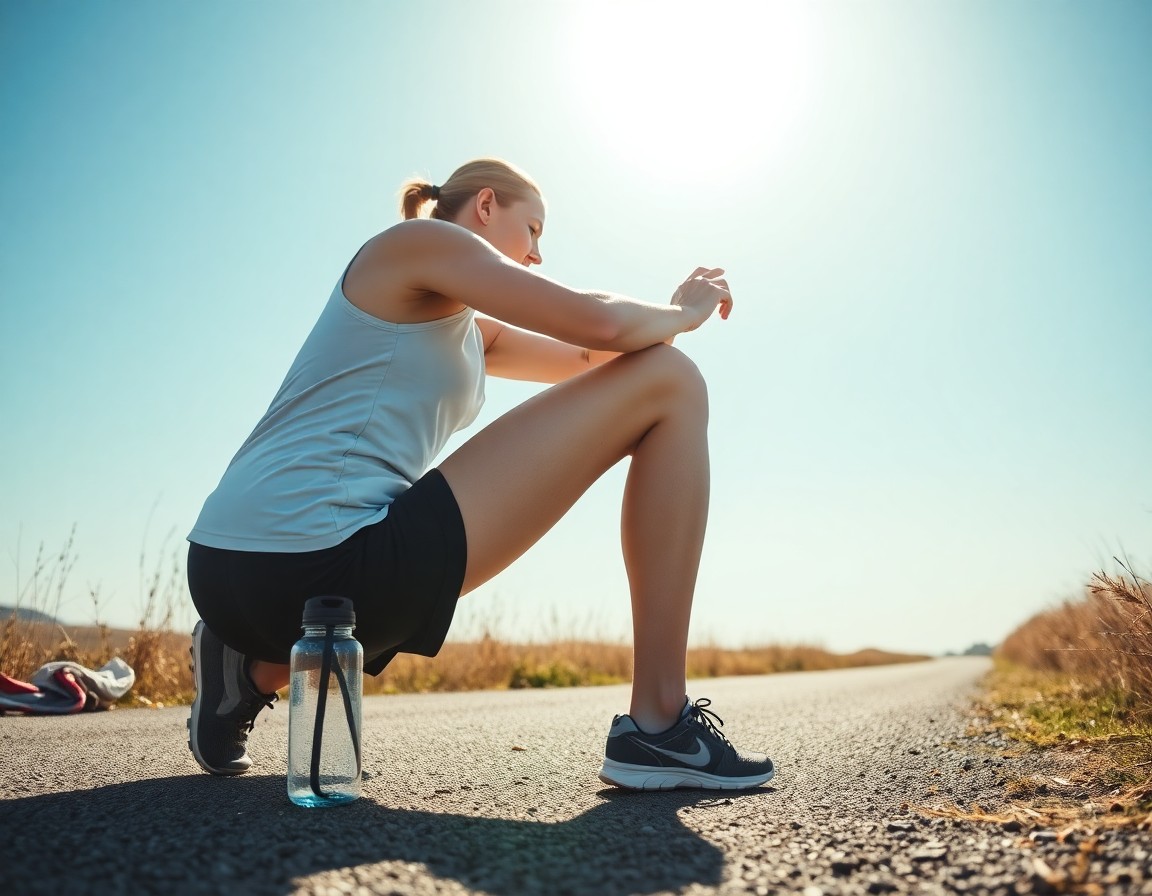
Most hydration advice is written for a comfortable 21°C office, and then summer arrives and quietly rewrites the rules. Heat is the single biggest multiplier of your fluid needs — bigger than body size, bigger than most workouts — and it does its work invisibly, one unnoticed hour of sweating at a time. Here's how hot weather changes the math, how to stay ahead of it, and the warning signs that mean stop reading blog posts and act.
How heat multiplies your fluid needs
Sweat is your body's main cooling system, and in the heat it runs constantly — not just when you exercise. Walking around on a hot day can cost a few hundred milliliters an hour; add exertion and sweat rates commonly reach 1–2 liters per hour, with heavy sweaters in extreme conditions losing even more. Humidity makes it worse: sweat that drips instead of evaporating cools you less, so your body sweats harder for the same effect. The practical upshot is that a hot day can double or triple your normal fluid turnover, and your baseline target — the one we cover in how much water you should drink a day — becomes a floor, not a ceiling.
Pre-hydrate before you head out
The cheapest move in hot-weather hydration happens before you feel any heat. Drink roughly 400–600 ml about two hours before going out for a long stretch — a hike, yard work, a day at the beach — and top up with another glass shortly before leaving. Starting topped up gives you a buffer that mid-afternoon drinking struggles to rebuild, because absorption can't always keep pace with heavy sweating. A quick self-check: if your urine is pale straw-colored before you head out, you're starting from a good place; dark amber means you're already behind.
Pace your intake — steadily beats heroically
Once you're in the heat, the goal is small and steady: drink regularly, guided by thirst, without waiting for it. In high heat thirst can lag behind losses, so a reasonable pattern for active hot hours is a few good swallows every 15–20 minutes rather than a bottle chugged every two hours — smaller amounts absorb better and stay down easier. Two cautions balance this. First, don't force fluid far beyond thirst: drinking much more than you sweat can dilute blood sodium (hyponatremia), a genuine danger during long, hot events — here's where the line is. Second, cold drinks are fine and even helpful — they cool you slightly and tend to go down easier, and the old claim that cold water is harmful in heat is folklore.
When plain water isn't enough
Sweat isn't just water — it carries sodium, and heavy sweating for hours removes a lot of it. For an hour of casual summer activity, plain water plus normal food covers you completely. But once you're sweating hard beyond 60–90 minutes — long hikes, sports tournaments, manual work, festival days — start replacing sodium too: salty snacks, an electrolyte tablet in your bottle, or a sports drink all work. The warning signs you've ignored this are white salt crust on skin and clothes, muscle cramps, and that flat, headachy feeling despite drinking plenty. We cover the details — which electrolytes matter and how much — in our guide to electrolytes.
Heat exhaustion vs. heat stroke: know the difference
Dehydration and heat strain travel together, and it's worth knowing the escalation ladder. Heat exhaustion looks like heavy sweating, weakness, dizziness, headache, nausea, and cool, clammy, pale skin — your cooling system working desperately hard. The response: stop activity, get to shade or air conditioning, sip fluids with some salt, loosen clothing, and cool the skin with water or wet cloths. Most people recover within an hour; if symptoms worsen or don't improve, get medical help.
Heat stroke is different in kind, not just degree — it is a medical emergency. The red flags are confusion, slurred speech, agitation or stumbling, fainting, a very high body temperature, and skin that may be hot and dry or still sweaty. The nervous-system signs are the tell: a person who is overheated and acting strangely needs an emergency call immediately, plus aggressive cooling (shade, water, ice packs to neck, armpits, and groin) while help is on the way. Do not try to rehydrate someone who is confused or losing consciousness — cooling and the ambulance come first.
Who needs extra caution
Heat doesn't treat everyone equally. Older adults sweat less efficiently and feel thirst later; babies and young children heat up faster and can't manage their own fluids; pregnant people, outdoor workers, and athletes carry higher loads; and several common conditions and medications — heart disease, diabetes, diuretics, some blood-pressure and psychiatric drugs — impair sweating or fluid balance. If you or someone you care for is in these groups, treat hot days as events to plan around: more proactive drinking, more shade breaks, and a lower threshold for taking symptoms seriously. Checking in on older neighbors and relatives during heat waves is a genuinely lifesaving habit.
Practical summer habits
None of this requires spreadsheets — just a few defaults that make summer hydration automatic:
- Carry water everywhere — a bottle in the bag, the car, and by the door. Availability beats intention.
- Front-load mornings and pre-hydrate before outings, when absorption can still get ahead of sweating.
- Time activity around the peak — exercise and heavy chores before 11 a.m. or after 6 p.m. where possible.
- Add salt on heavy-sweat days and let food do most of that work.
- Watch the color — pale straw is on track, dark amber means drink now.
The hard part is consistency across a long hot day, and that's where tracking earns its keep. Realwater turns the whole system into a glance: one tap logs a glass, a sphere of water fills toward your daily goal — set it higher on hot days — and gentle reminders catch the hours the heat makes you forget. Summer hydration isn't complicated; it just punishes forgetting more than any other season.
This article is for general information and isn't medical advice. If you have heart, kidney, or other conditions affecting fluid balance, or take medications like diuretics, follow your doctor's guidance on fluids in hot weather — and treat suspected heat stroke as an emergency: call your local emergency number.