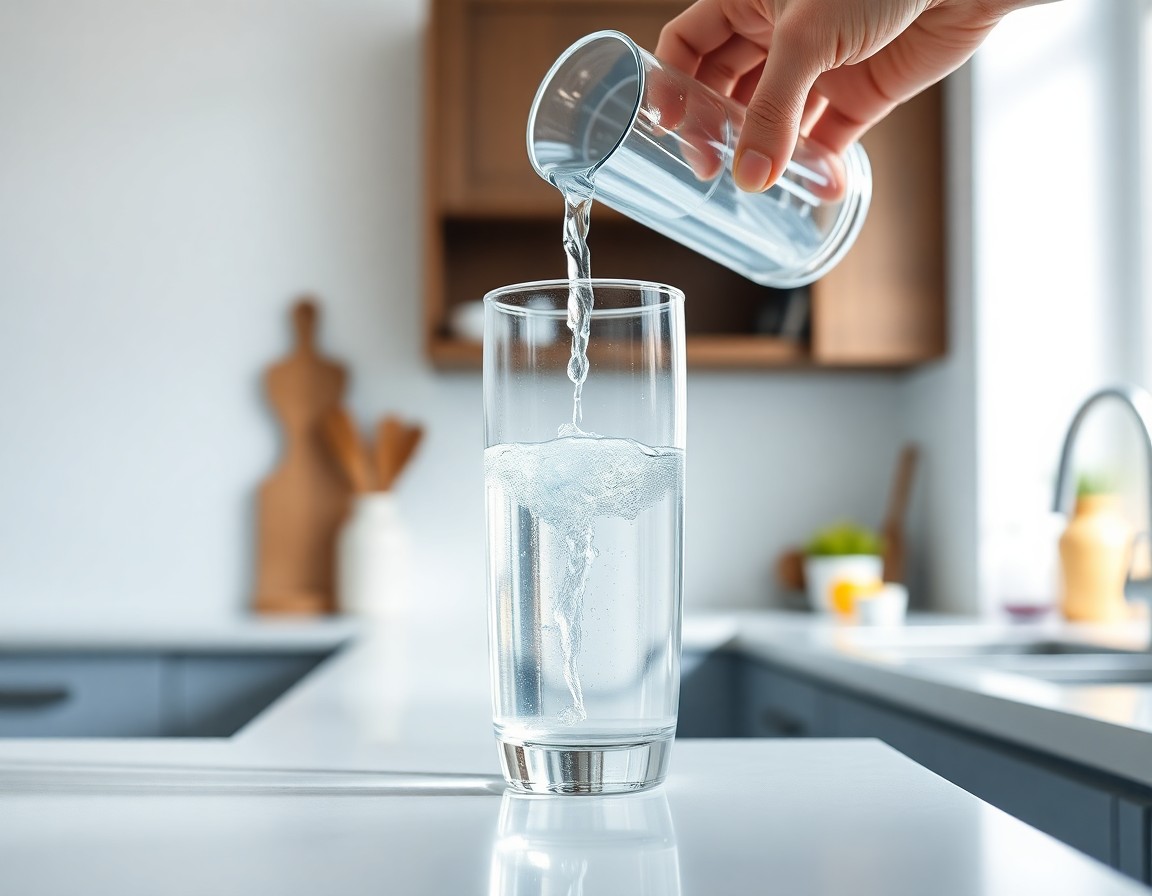
Serious dehydration is hard to miss — but that's not the kind most of us ever experience. The kind worth knowing about is mild, everyday dehydration: being one or two percent below your normal fluid level for most of the afternoon. It doesn't announce itself. It disguises itself as tiredness, a dull headache, a wandering mind, or a snack craving — things you'd blame on your job, your sleep, or your lunch long before you'd blame your water bottle.
Why thirst shows up late
You might assume thirst would catch this for you, and eventually it does — but it's a lagging indicator. Thirst kicks in noticeably only after your body is already meaningfully behind, typically around 1–2% of body weight in lost fluid, which is exactly the range where studies start measuring dips in mood and concentration. It's also easy to override: get absorbed in work and your brain will happily postpone the signal for hours. And in older adults, the thirst response itself weakens with age, so the alarm gets quieter exactly when it's needed most. That's why it helps to know the earlier, subtler signs — the ones that arrive before you feel parched.
Fatigue, headaches, and brain fog
The most common early sign is also the easiest to misattribute: low-grade fatigue. When fluid runs low, blood volume drops slightly, which means your heart works a bit harder to move oxygen and nutrients around — and you feel it as sluggishness, often in the mid-afternoon. Headaches are a close second; for people prone to them, mild dehydration is a well-documented trigger, and rehydrating sometimes eases them within an hour or two. Then there's the cognitive side: studies consistently find that even 1–2% dehydration measurably dents attention, short-term memory, and mood. If your focus dissolves every afternoon, water is one of the cheapest explanations to rule out — we dig into the research in our guide to water and focus.
Dry mouth and the urine color check
A dry or sticky mouth is a more direct clue — your body reduces saliva production when it's conserving fluid. But the most reliable everyday gauge is urine color. Pale straw yellow generally means you're fine; dark amber means you're behind and your kidneys are concentrating hard to hold on to water. (Perfectly clear isn't the target either — that usually just means you drank a lot at once.) One caveat: B vitamins and some medications can turn urine bright yellow regardless, so treat color as a trend to watch rather than a verdict on any single bathroom trip.
The signs nobody connects to water
A few symptoms are so far removed from “thirsty” that almost nobody links them to hydration. Dizziness or lightheadedness when you stand up quickly can reflect reduced blood volume — your circulation has less fluid to work with when gravity suddenly demands it. Constipation is another: your colon reclaims water from waste, and when you're running low it reclaims more, making everything slower and harder. And then there are cravings. The brain regions that process hunger and thirst overlap, and the signals are easy to confuse — so mild dehydration sometimes registers as an urge to snack, particularly for something juicy or salty. If you feel snacky an hour after a real meal, try a glass of water first and wait ten minutes. It's a surprisingly effective filter.
Who slips into dehydration more easily
Some people should watch for these signs more closely than others. Older adults face a double disadvantage: blunted thirst plus a natural decline in the kidneys' ability to conserve water. Young children turn over proportionally more fluid than adults and can't always recognize or communicate thirst, so it's on adults to offer drinks regularly. Athletes and anyone working outdoors can sweat out fluid far faster than casual sipping replaces it — especially in hot weather. Illness raises the stakes too: fever, vomiting, and diarrhea all drain fluid quickly, and pregnancy and breastfeeding raise baseline needs. If you're in one of these groups, don't wait for thirst — build drinking into the structure of the day.
When it's more than mild
Everything above is the everyday, fix-it-with-a-glass variety. Some signs mean it's time for medical care rather than a water bottle: confusion or unusual irritability, a rapid heartbeat or rapid breathing, fainting, sunken eyes, very dark urine or barely urinating for eight or more hours, or an inability to keep fluids down. In babies, watch for a sunken soft spot, no wet diaper for several hours, and crying without tears. These symptoms — especially in young children, older adults, or anyone with a fever or ongoing vomiting — warrant a call to a doctor or urgent care, not just another glass of water.
Catching it before it catches you
The frustrating thing about mild dehydration is that every sign is easier to blame on something else — which is why the most practical fix isn't vigilance, it's not falling behind in the first place. Start with a sensible daily target (here's how to find yours) and make your progress visible. That's what Realwater is for: one tap logs a glass, a sphere of water fills toward your daily goal, and a gentle reminder nudges you when the afternoon gets away from you. When you can see at a glance that you're at 40% by 3 p.m., you don't need to decode a headache — you just drink.
So the next time you're inexplicably tired, foggy, headachy, or hungry-but-not-really, run the cheapest experiment in health: drink a glass of water, wait twenty minutes, and see what changes. Often the answer was sitting on your desk the whole time.
This article is for general information and isn't medical advice. If you have symptoms of severe dehydration, or a condition that affects fluid balance, seek care from a medical professional.