Nobody needs another article telling them soda is bad. You know. The interesting question is why, knowing that, the can still ends up in your hand at 3 p.m. — and what a swap to water looks like when it's designed around how cravings actually work, instead of around willpower. This is that plan: gradual, specific, and honest about what you'll miss.
Where the sugar actually hides
For many people, sugary drinks are the single largest source of added sugar in their diet — bigger than desserts, bigger than snacks. A regular 330 ml can of soda carries roughly 35 grams of sugar, which is about nine teaspoons, and most sweetened iced teas, energy drinks, and fancy coffee drinks sit in the same neighborhood. The sneaky part is that liquid sugar barely registers with your appetite: drink 150 calories and you'll eat roughly the same lunch you would have eaten anyway. Eat those calories as food and your body at least takes note. That's why drinks are the most efficient place in most diets to cut sugar — you give up calories your body wasn't counting in the first place.
Why quitting cold turkey backfires
The classic approach is to declare that starting Monday, it's water only. It usually lasts four days. The problem isn't weakness — it's that a daily soda habit is really three habits wearing one trench coat: a taste for sweetness, a love of fizz, and a ritual (the walk to the fridge, the crack of the can, the break it marks in your day). Cold turkey rips out all three at once and replaces them with nothing. Your brain notices the hole, files it under deprivation, and starts negotiating. By Thursday the negotiation is going badly. A swap that sticks replaces each of those three things deliberately instead of pretending you never liked them.
Swap gradually, not heroically
Start by swapping one drink a day — usually the one you care least about. If you have a soda with lunch and another mid-afternoon, keep the one that actually brings you joy and replace the one you drink on autopilot. Hold that for a week or two, then swap the next one. This feels almost insultingly slow, which is exactly why it works: no single step is hard enough to trigger the deprivation alarm, and each one quietly resets what “normal” tastes like. Regular soda drinkers who cut back consistently report the same surprise a few weeks in — the full-sugar version starts tasting too sweet. Your palate recalibrates faster than your willpower ever could.
Craving one: sweetness
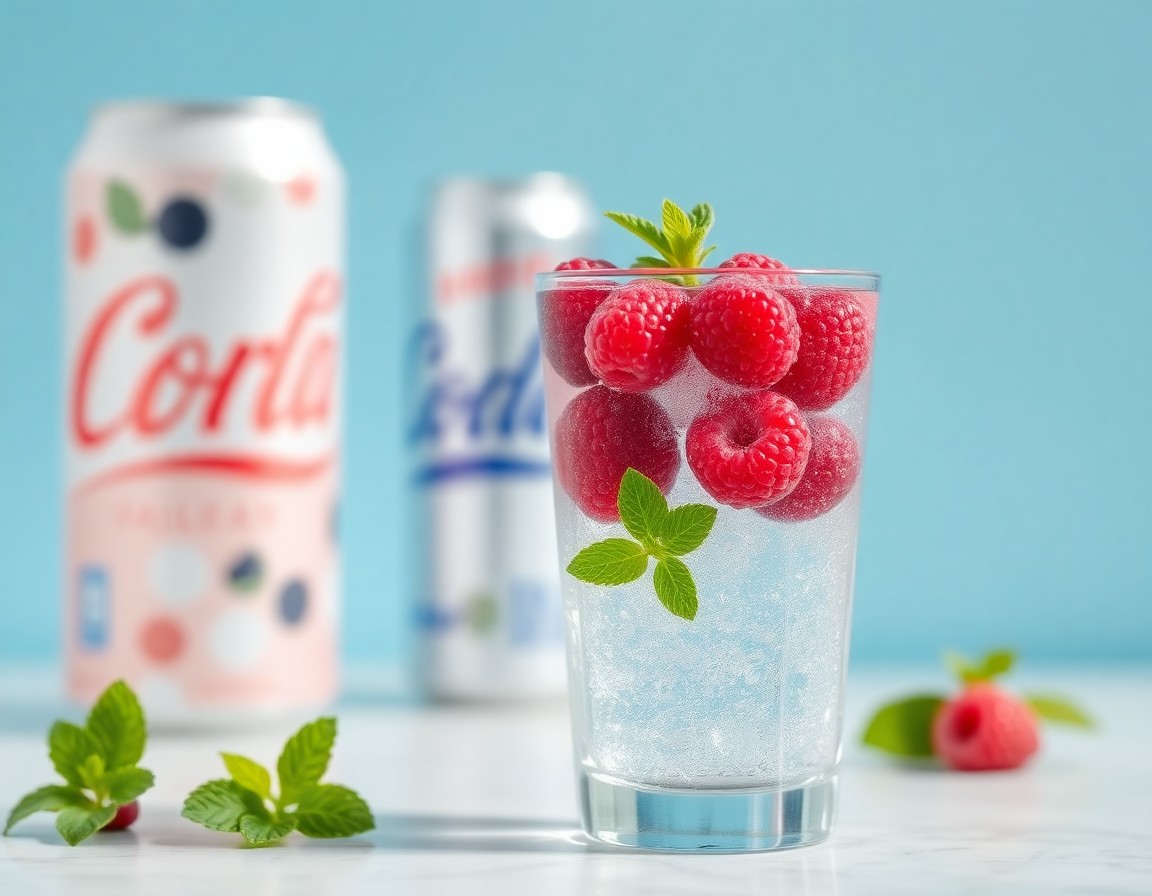
Plain water is a rough trade for someone used to nine teaspoons of sugar, so don't make that trade in one jump. Infused water is the gentlest bridge: a few slices of orange, some crushed berries, cucumber and mint — dropped in a jug the night before, it gives water an actual flavor instead of an absence of one. Diluted juice works too; keep halving the juice until it's mostly water and you barely notice. The goal isn't to fake a soda. It's to give your taste buds a down ramp while they adjust to a world where drinks aren't dessert.
Craving two: the fizz
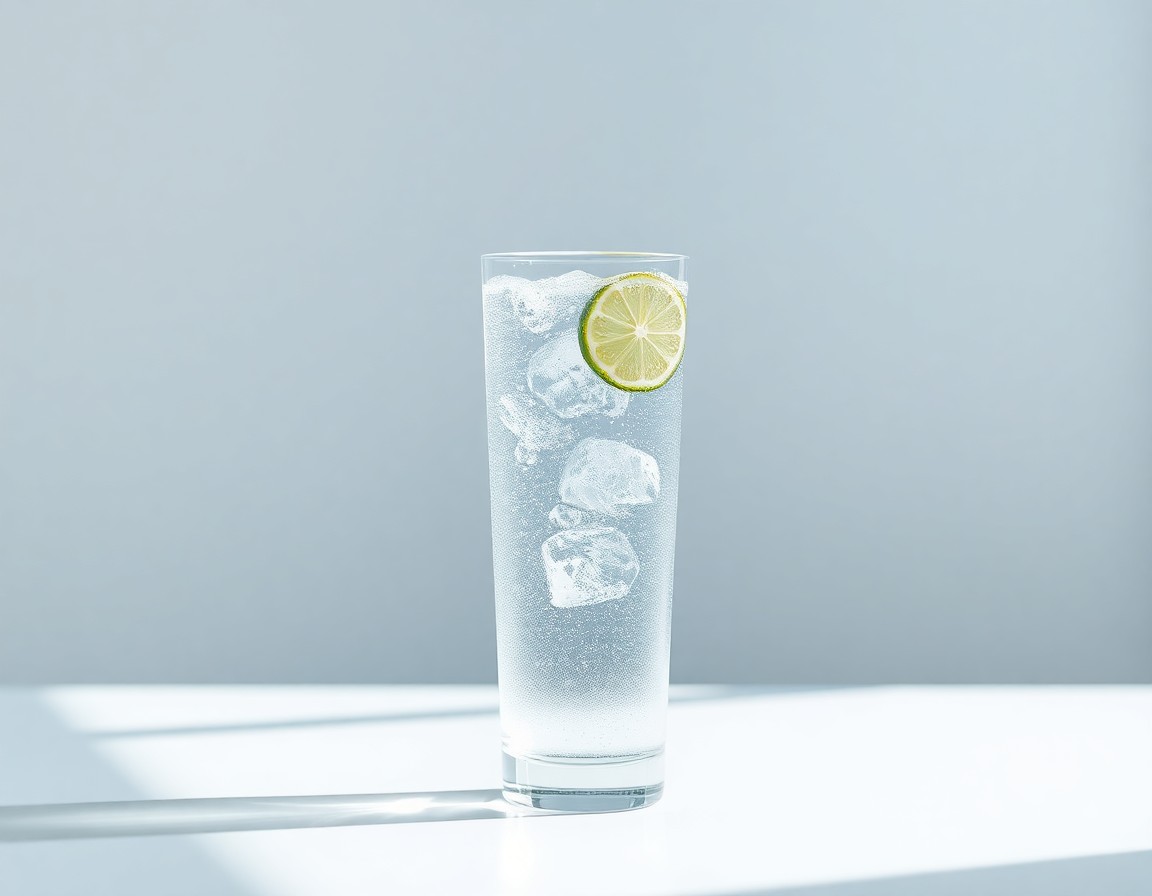
For a lot of people the fizz matters more than the sugar — the bite of carbonation is half the experience. Good news: that part you can keep at zero cost. Plain sparkling water hydrates essentially as well as still water, and a can of unsweetened sparkling water with a squeeze of lime scratches the sensory itch surprisingly well. If you find yourself craving a soda, try treating it as a fizz craving first — answer it with something carbonated and unsweetened, and see how often that was actually the whole request.
Craving three: the ritual
Habits live in rituals, not molecules. If your soda moment is the crack-hiss of a cold can at your desk, a lukewarm glass of tap water is not a substitute — it's a downgrade with the ceremony removed. Keep the ceremony. Buy canned sparkling water and open it at the same time, at the same desk. Use a glass you actually like. If the vending machine walk was the point, keep the walk and change what you buy at the end of it. Habit research is clear that a behavior with an intact cue and reward survives a change of contents remarkably well — a principle we cover more in how to build a water habit that sticks.
What actually changes when you swap
A daily 330 ml soda is roughly 50,000 calories a year, so replacing it with water is one of the few diet changes that's both meaningful and nearly effortless to sustain — the evidence on water and weight is modest overall, but the swap route is its strongest card. Energy gets steadier too: liquid sugar hits fast and leaves fast, and many people find the late-afternoon crash softens once the sugar spikes stop. Your teeth get a genuinely better deal — sugar plus acidity is the worst thing most of us do to our enamel on a daily basis. And you're simply better hydrated, with everything that quietly improves.
Keep it honest
Two things worth saying plainly. First, soda isn't a moral failing, and a swap plan that treats every can as a sin will collapse under its own drama. Have the occasional soda because you want it, not because you lost. Second, the swap is easier to sustain when you can see it happening — which is where tracking earns its keep. Logging your drinks in Realwater does two quiet jobs at once: the water you drink instead of soda visibly fills your daily sphere, and the act of logging makes the swap feel like progress rather than deprivation. You're not giving something up; you're watching something fill up. Start with one drink a day, keep the fizz and the ritual, and let your palate do the rest of the work on its own schedule.