Why water units are so confusing
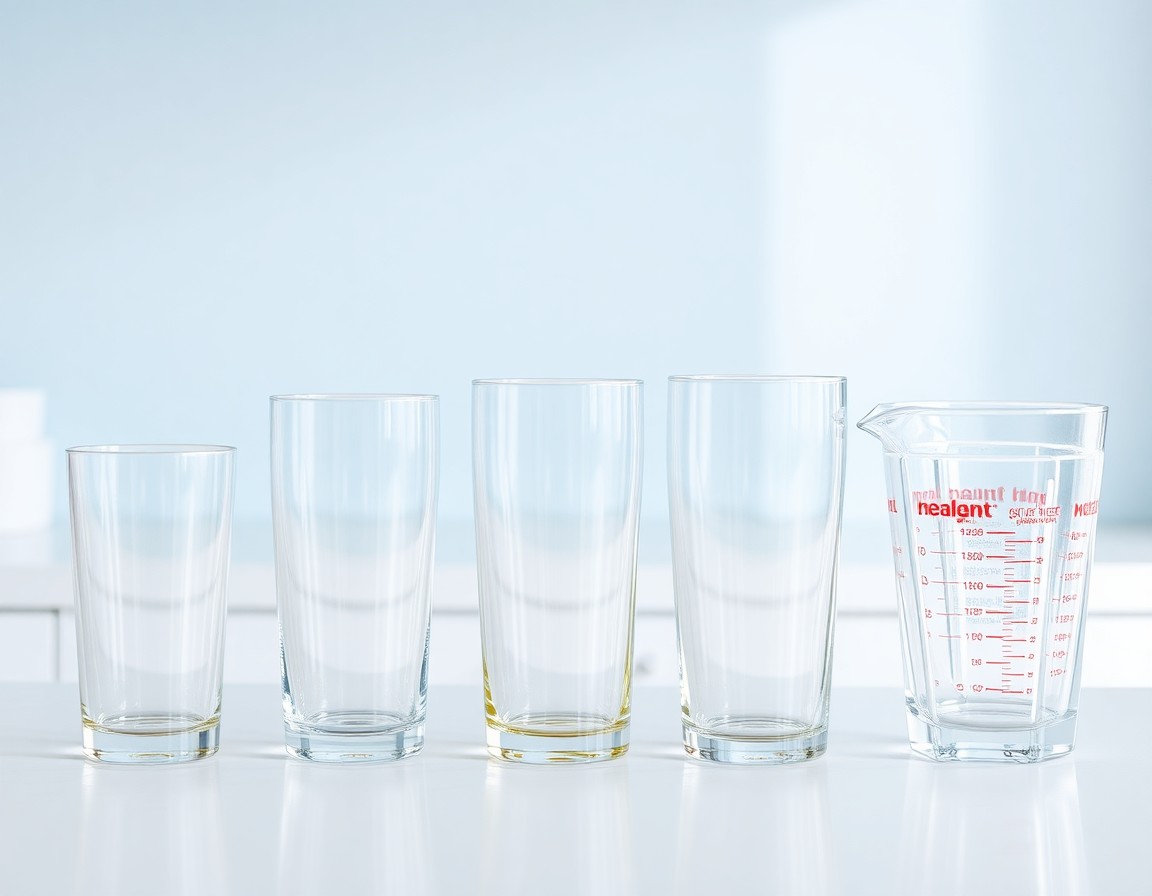
Hydration advice mixes metric, US customary and imperial units freely, and then adds informal ones — glasses, cups, bottles — that have no fixed size at all. A “cup” is 237 ml in an American recipe, 250 ml in a metric kitchen, and whatever fits in your hand at the office. This converter uses the most common definitions and shows all of them side by side, so you can see how they relate. Our guide to how big a glass of water is goes into the details.
The conversions worth memorizing
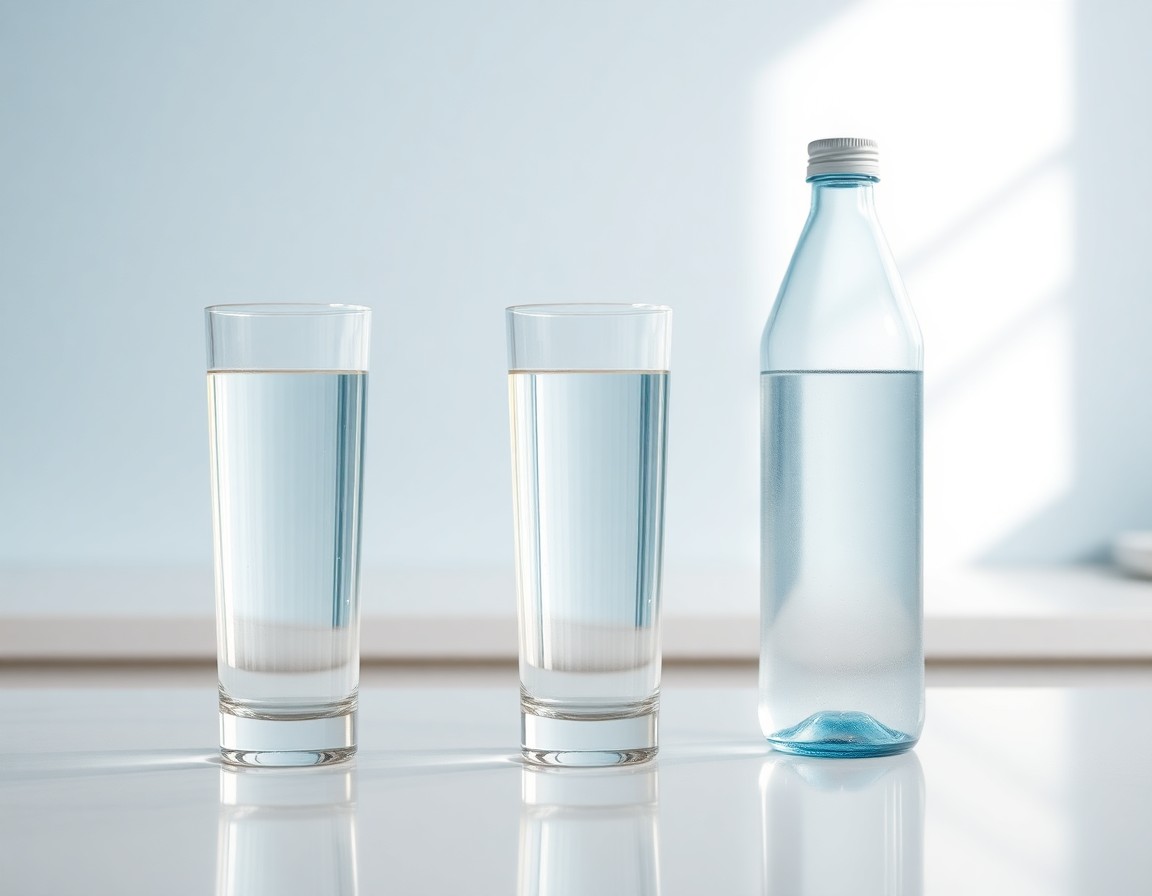
- 1 liter ≈ 34 US fl oz ≈ 4 glasses (250 ml) ≈ 2 bottles (500 ml)
- 1 US cup = 8 US fl oz ≈ 237 ml
- The common 16.9 oz bottle is exactly 500 ml
- 1 US gallon ≈ 3.8 L; 1 UK gallon ≈ 4.5 L
- 2 liters ≈ 68 US fl oz ≈ 8 glasses — the origin of “8 glasses a day”
Measure your own containers once
If you track intake, the single most useful thing you can do is fill your usual glass, mug and bottle with a measuring jug and note the real volumes. Most “glasses” are 200–350 ml, and getting that wrong by 30% every time compounds into a daily error of a bottle or more. Realwater lets you set custom quick-add sizes for exactly this reason. To work out how much you should be drinking in the first place, use the daily water intake calculator.